Top 5 Welding and Metalworking Mistakes to Avoid
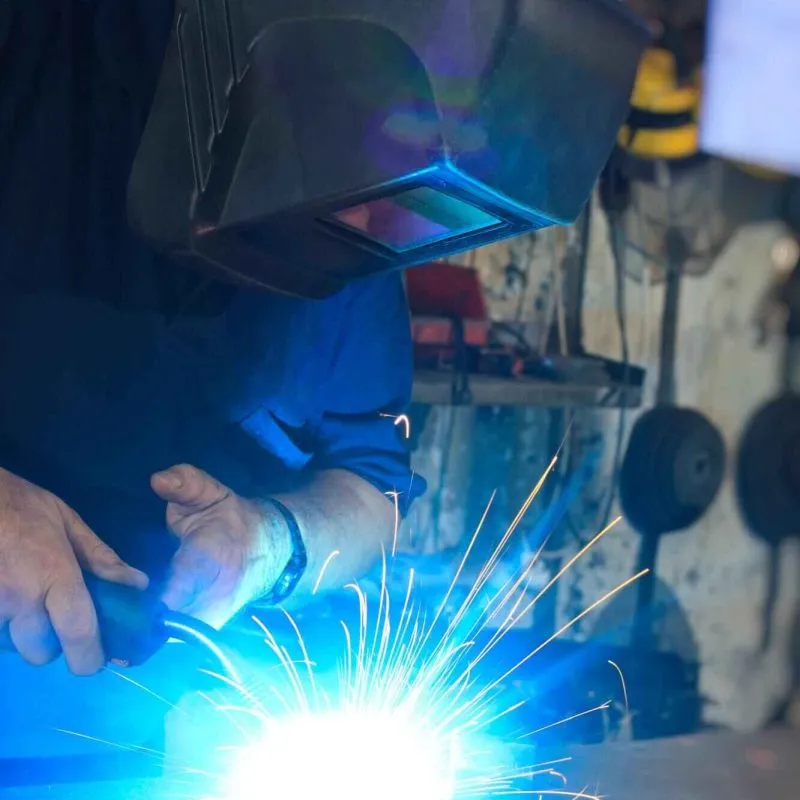
Welding and metalworking are critical skills for a wide range of industries, from construction to automotive repair and even art. Whether you’re a seasoned pro or just getting started with your first project, it’s important to recognize the common mistakes that can hinder the quality of your work and lead to costly setbacks. Below are the top five welding and metalworking mistakes to avoid to ensure your projects are strong, durable, and professionally crafted. 1. Ignoring Proper Safety Measures One of the biggest mistakes in welding and metalworking is neglecting safety. Welding involves high temperatures, dangerous sparks, and the potential for harmful fumes, making safety a top priority. Skipping safety gear, such as gloves, helmets with proper face shields, and protective clothing, can lead to severe injuries, including burns, eye damage, and respiratory issues. Additionally, ensure you are working in a well-ventilated area, as welding often produces fumes that can be harmful if inhaled. An improperly set-up work area is another common mistake—always be sure your workspace is free of flammable materials, clutter, or any hazards that could lead to accidents. Tip: Always wear a welding helmet with the correct shade lens, gloves, and long-sleeve clothing to protect against heat and sparks. Use a respirator when necessary, especially if working with metals that produce toxic fumes. 2. Poor Joint Preparation Welding is a process that relies on strong and clean joints to create a secure bond. One of the most frequent mistakes is poor joint preparation, which leads to weak welds and an uneven finish. Before you begin welding, it’s crucial to ensure that the metal surfaces are clean of rust, oil, dirt, or paint. Any contaminants can interfere with the welding process, resulting in a lack of fusion or poor penetration. Not properly aligning the pieces before welding is another common mistake. Misaligned joints can create gaps, which affect the integrity of the weld. Take the time to clean, align, and clamp your workpieces before starting. Tip: Always clean the metal surfaces with a wire brush, grinder, or chemical cleaner to remove debris. Ensure the edges are properly beveled and aligned to achieve a solid, clean weld. 3. Incorrect Heat Settings Welding requires precision, and the heat settings on your welder play a significant role in the quality of the weld. Setting the wrong amperage can lead to over-welding or under-welding, which results in either weak welds or burn-throughs in the material. For thin metals, using too much heat can cause warping and holes, while too little heat can prevent proper fusion. Each material you’re welding—whether it’s steel, aluminum, or stainless steel—requires different settings. It’s essential to refer to the manufacturer’s guidelines or conduct test welds to ensure you’re using the right heat levels. Tip: Adjust your machine’s heat settings based on the thickness of the material. Start with a lower setting for thin metals and gradually increase the heat for thicker materials, always testing the weld on scrap pieces first. 4. Rushing the Welding Process Welding is a skill that requires patience and precision. Rushing through the process is a mistake that leads to sloppy, inconsistent welds. Welding too quickly can cause inadequate penetration, poor fusion, and even uneven bead appearance. It’s important to move at a steady pace and allow the material to heat properly before progressing. Rushing can also cause you to overlook other crucial factors, like joint preparation or heat adjustments. Rushing also applies to post-welding processes, like cooling. Allow the welded pieces to cool at their own pace—rapid cooling can cause cracking, especially in high-stress areas. Tip: Focus on consistency rather than speed. Work at a controlled pace and make sure each weld is complete before moving on to the next. Avoid unnecessary shortcuts, and allow the metal to cool naturally after welding. 5. Using the Wrong Type of Filler Material Choosing the wrong filler material for your project is another common mistake that can affect the strength and durability of your weld. The filler material should match the base metal you are working with. For instance, if you’re welding aluminum, using a steel filler rod will lead to a weak bond, as the materials have very different properties. Additionally, not using the proper size or type of filler material can also cause issues. A filler that is too thin or too thick for the job will not properly fuse with the base metal, resulting in weak or inconsistent welds. Tip: Always match the filler material to the base metal. If you’re unsure, research the correct type or consult with an experienced welder to ensure you’re using the right materials for your project. Bottomline Welding and metalworking can be incredibly rewarding when done correctly, but they also require attention to detail and proper technique. By avoiding these five common mistakes—ignoring safety, poor joint preparation, incorrect heat settings, rushing the process, and using the wrong filler material—you can greatly improve the quality of your work and create strong, long-lasting welds. At Legacy Fabrication, we pride ourselves on delivering high-quality craftsmanship, whether it’s a custom design or a simple repair. If you need assistance with your welding and metalworking projects, don’t hesitate to reach out. With the right tools, techniques, and attention to detail, your welding work can be both safe and exceptional.
Maintaining Your Truck and Trailer: Essential Welding and Fabrication Tips
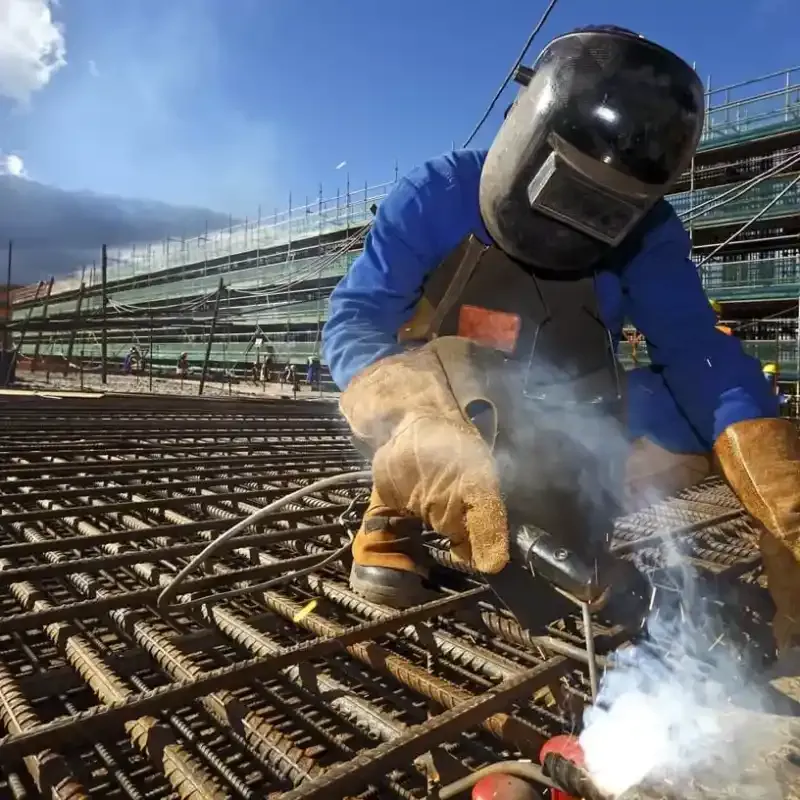
When it comes to owning and operating a truck and trailer, regular maintenance is key to ensuring that they continue to serve you reliably for years. Whether you use your truck and trailer for work, recreation, or daily transport, their durability and functionality rely heavily on regular inspection and maintenance, particularly in the areas of welding and fabrication. These two processes play a critical role in keeping your truck and trailer in top shape. Here’s a guide to essential welding and fabrication tips for maintaining your truck and trailer. 1. Inspect for Structural Integrity The first step in any maintenance routine is to assess the structural integrity of your truck and trailer. Over time, wear and tear can cause cracks, bends, or rust, which can weaken critical components. Welding and fabrication are often needed to repair damaged sections of metal, whether it’s a cracked frame, a corroded part, or a worn-out hitch. Regular inspections allow you to catch issues early before they develop into more expensive repairs or create safety hazards. For example, if you notice any bending in the trailer frame or the truck bed, it may require welding to restore its shape and strength. Rust is another common issue, especially in regions with harsh weather conditions. Properly sealing or replacing rusted metal will prevent further damage and ensure that your truck and trailer stay in prime condition. 2. Repair or Replace Damaged Hitches The hitch is one of the most important components of a truck and trailer, as it directly impacts towing capabilities. Over time, hitches can become worn, cracked, or bent, which can make towing unsafe. Fabrication can be used to repair these issues, but in some cases, a complete replacement may be necessary. A well-designed hitch ensures that weight distribution is even and that the trailer remains securely attached to the truck. If your hitch is showing signs of wear, it’s crucial to have it inspected by a professional welder to either repair or replace it, depending on the extent of the damage. 3. Strengthen Your Flatbed or Trailer Deck If you use your truck or trailer for heavy-duty tasks, such as hauling equipment, livestock, or materials, the deck or flatbed is likely to experience significant strain. Over time, the metal components on the deck may warp, crack, or bend under pressure. Fabrication techniques like reinforcing the frame with additional support beams, repairing damaged areas, or installing a more durable floor can extend the life of your flatbed or trailer deck. If your flatbed is made of steel or aluminum, welding can be used to reinforce weakened sections without compromising the overall integrity of the structure. Custom fabrication can also help you tailor the deck to your specific needs by adding extra tie-down points, toolboxes, or other accessories. 4. Address Suspension Issues The suspension system is another area where welding and fabrication may be necessary. If your truck or trailer is subjected to heavy use or rough terrain, the suspension components—such as the leaf springs, shock absorbers, or control arms—may become damaged. These components are critical for maintaining proper ride quality and ensuring safe towing capacity. Welding may be needed to repair or replace broken suspension parts, and fabrication can be used to modify the suspension system for additional strength and durability. Custom suspension systems are especially useful for off-road enthusiasts or those who regularly haul heavy loads. 5. Prevention Is Key: Regular Maintenance The best way to keep your truck and trailer in top condition is through preventive maintenance. Regularly clean the undercarriage, inspect welds and metal components, and address any small issues before they turn into larger problems. A well-maintained truck and trailer will run more efficiently, last longer, and ensure that you’re always ready for your next adventure or project. By prioritizing welding and fabrication in your maintenance routine, you’ll not only extend the life of your truck and trailer but also ensure that they remain safe and functional. Whether you’re fixing a small crack or making custom modifications, don’t hesitate to reach out to a professional metalworker to help with your truck and trailer maintenance needs. At Legacy Fabrication, we specialize in custom welding and metalwork, offering repairs and enhancements for trucks and trailers of all kinds. Our commitment to quality craftsmanship ensures your vehicle is built to last. If you need help with your next repair or fabrication project, contact us today!
How to Choose the Right Snowplow Mount for Your Vehicle
Winter weather can bring a lot of challenges, especially if you live in an area that experiences heavy snow. A snowplow can be a real lifesaver, helping you clear your driveway, parking lot, or private roads, and ensuring safe travel through winter storms. However, to get the most out of your snowplow, choosing the right snowplow mount for your vehicle is essential. The mount is the connection between the vehicle and the snowplow, so it’s important to get it right for both safety and efficiency. Here’s how to choose the right snowplow mount for your vehicle. 1. Understand the Different Types of Snowplow Mounts Before selecting a snowplow mount, it’s important to know the different types available. Generally, there are two primary categories of mounts: traditional mounts and quick-mount systems. Consider how often you plan to use your snowplow and the level of convenience you prefer. If you’re using the snowplow regularly, a quick-mount system might save you time and effort. 2. Check Your Vehicle’s Compatibility Not all snowplow mounts are universal. The mount you choose needs to be compatible with your vehicle’s make, model, and year. Many manufacturers design mounts specifically for certain vehicles, so it’s crucial to confirm compatibility before making a purchase. This ensures the mount will fit securely and allow your snowplow to operate at its best. 3. Consider the Weight of the Snowplow The weight of your snowplow is a crucial factor in determining the mount you need. A larger, heavier plow will require a stronger, more durable mount. Using a mount that isn’t built to support the weight of the plow could lead to failure, resulting in damage to both the plow and the vehicle. Be sure to match the mount’s weight capacity with the size and weight of the snowplow. If you’re unsure, consult with a professional to ensure you choose a mount that can handle the specific snowplow model you plan to use. It’s always better to overestimate the strength you need rather than risk choosing a mount that isn’t up to the job. 4. Ease of Installation and Removal The mounting system’s ease of installation and removal is another factor to consider. Some mounts are easier to install, while others may require additional tools or professional assistance. If you plan on attaching and removing the snowplow frequently, look for a system that offers easy installation without the need for professional help. Quick-mount systems often feature this advantage, allowing for a faster, more user-friendly experience. Additionally, consider how easily the mount will be removed when you’re not using the snowplow. Some mounts may be bulky or intrusive when left on the vehicle during warmer months. You may prefer a system that can be easily removed to maintain the aesthetics and usability of your vehicle. 5. Material Durability and Protection The material used for the snowplow mount is another crucial consideration. The mount will be exposed to harsh winter conditions, including salt, ice, and road debris. Corrosion-resistant materials, such as stainless steel or powder-coated steel, are ideal for ensuring the longevity and durability of the mount. These materials help prevent rust, ensuring that your mount stays in good condition through repeated use in challenging weather. 6. Consult a Professional Finally, if you’re unsure about the right snowplow mount for your vehicle, consulting with a professional is always a smart move. At Legacy Fabrication, we specialize in custom welding and fabrication for vehicles, including snowplow mounts. We can guide you through the process, ensuring that you choose a mount that fits your vehicle and meets your specific needs. Ending Thoughts Choosing the right snowplow mount is essential for ensuring a safe, effective, and durable snowplow system. By considering compatibility, weight capacity, material durability, and ease of installation, you can select the perfect mount for your vehicle. If you need assistance in choosing or installing a mount, don’t hesitate to reach out to professionals who specialize in vehicle fabrication. A well-chosen snowplow mount will ensure you can tackle winter weather with confidence and ease.